

Author: Pratik
The small SUV space is crowded, noisy, and honestly a little exhausting. Every brand promises "adventure" while most people are just trying to get to work, pick up groceries, and survive school drop-off without losing their minds.
That's why the 2026 Toyota Corolla Cross feels like a refresh in the best way. It's not trying to reinvent the wheel. It's taking what already worked, then polishing the parts drivers actually touch every day: styling, screens, storage, and comfort. The result is a Toyota Corolla Cross that feels more modern without getting complicated.
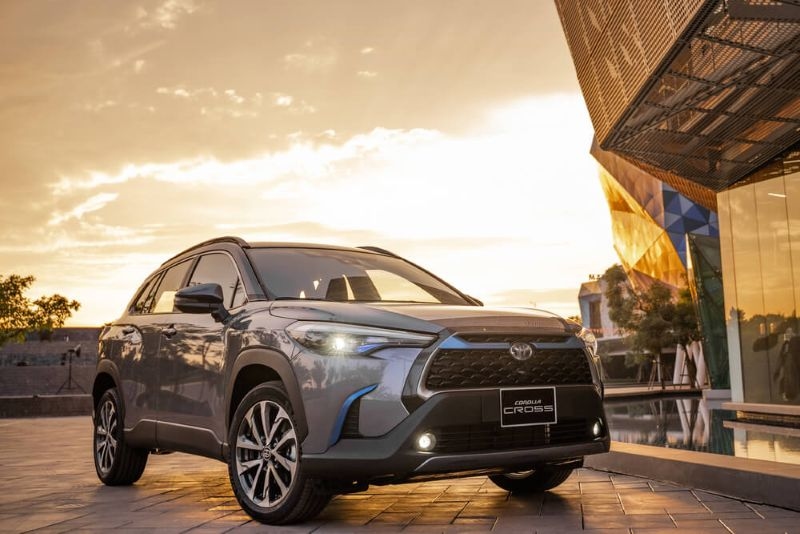
The headline change is simple: Toyota gave the model a visual and usability glow-up. For 2026, there are two different front-end looks, depending on whether it's hybrid or gas. Hybrid models get a clean, color-matched grille, while gas models wear a wider, more rugged grille design. All grades also pick up new LED daytime running lights, which helps the whole lineup look sharper and more current.
Inside, the updates are even more "you'll notice this every day." Toyota reworked the front console to improve storage and make controls easier to reach, and there's now an available 10.5-inch touchscreen for the Toyota Audio Multimedia system. You can also get either a 7-inch or 12.3-inch digital gauge cluster, depending on trim and setup.
Let's talk curb appeal, because yes, it matters. Drivers might claim they "don't care," but they still glance back at the car when they park. It's human.
For 2026, Toyota leaned into two personalities. The hybrid front end looks smoother and more streamlined, while the gas model looks tougher and more SUV-like. The new styling is one of those Toyota Corolla Cross upgrades that makes the vehicle feel less entry-level and more intentionally designed.
Toyota also added Cavalry Blue to the palette on select grades, with an available two-tone option pairing Cavalry Blue with a Jet Black roof on certain hybrid trims. If someone wants their small SUV to feel a little less rental-spec, this is an easy way to get there.
Wheel designs also get attention for 2026, including new 18-inch options on higher trims. It's a small change, but wheels do a lot for stance and presence, especially on a compact crossover.
Cabin upgrades can be tricky. Some brands throw in glossy trim and call it a day. Toyota took a more practical approach: improve the areas people use constantly.
The redesigned front console is about usable space and easier access. That means better storage layout, smarter placement around the shifter, and details like a divider to help keep a phone in place when equipped with a wireless Qi charger. Those are the kinds of improvements drivers don't appreciate until they've lived with a messy console for years.
And yes, screens matter. The newly available 10.5-inch touchscreen is a real upgrade for daily usability, especially for navigation, music, and quick settings. Pair that with the available 12.3-inch digital cluster, and suddenly this Compact SUV Toyota shoppers have been cross-shopping feels a lot more tech-forward without feeling distracting.
Toyota also expanded cold-weather comfort. A Cold-Weather package with a heated steering wheel and heated front seats becomes standard on specific trims (including gas XLE AWD and hybrid XSE), and is available on other select grades. If someone lives where mornings bite, this is the kind of feature that gets used constantly.
Here's where this model keeps its sensible reputation. The hybrid system uses Toyota's 5th-generation hybrid tech with standard Electronic On-Demand AWD across hybrid grades, producing 196 net combined horsepower. Toyota has also stated a manufacturer-estimated 42 mpg combined rating for hybrid AWD models. For a lot of people, that's the sweet spot: strong efficiency, plus extra traction.
Gas models use a 2.0-liter four-cylinder producing 169 horsepower, available with either FWD or AWD depending on grade. Toyota has stated up to a manufacturer-estimated 32 mpg combined for gas models. In other words, it's not trying to be a rocket ship. It's trying to be easy to live with.
This is where it earns the "smart upgrades" label. The vehicle isn't chasing extremes. It's refining what most drivers need in a 2026 Toyota SUV: efficiency, predictable behavior, and a setup that doesn't punish the budget every time gas prices jump.
Do Check Out: A Complete Buyer's Guide for the New 2025 Toyota 4Runner
Modern drivers want connectivity, but they don't want to babysit their car. Toyota's approach here is simple: make the tech bigger, clearer, and more usable.
The available larger touchscreen and digital gauge cluster are the obvious upgrades, but the more important part is how these changes support daily driving. Bigger interface elements are easier to tap. Digital clusters make it easier to read key info quickly. And the updated console layout makes the cabin feel less cramped and more organized. These are the kinds of Toyota Corolla Cross features that don't show off at a party, but they make every commute smoother.
Trim choice matters because Toyota splits this lineup cleanly: gas grades and hybrid grades.
For 2026, Toyota lists three hybrid grades (S, SE, XSE), all with standard Electronic On-Demand AWD. Gas models come in L, LE, and XLE, with FWD or AWD available. That structure makes it easier for shoppers to pick based on priorities: price and simplicity with gas, or efficiency and AWD standardization with hybrid.
If someone is shopping with a tech-first mindset, it's worth paying attention to which trims offer the larger screens and which ones bundle cold-weather comfort. Not everyone needs top trim, but most people do enjoy the upgrades once they have them.
Not every vehicle is meant to be loved by everyone. This one feels designed for drivers who want a calm, practical daily partner with just enough style to feel proud of it.
It's a strong fit for:
And for people who want a small SUV that looks more modern in 2026, the latest Toyota Corolla Cross upgrades are exactly the kind that show up in daily life, not just on a spec sheet.
Also Read: Used Toyota Car Benefits: Smart Reasons To Buy One
Do they drive short city trips and want better mpg? Hybrid is probably the move. Do they want the simplest setup at the lowest entry price? Gas makes sense. Do they deal with rough weather or like the confidence of AWD? Hybrid gives it standard, and gas offers it depending on trim.
Also, if they're the kind of driver who gets annoyed by small screens and cluttered storage, the 2026 interior updates will likely feel like a relief. And yes, this is still a 2026 Toyota SUV built around the idea that reliability and usability matter more than hype. That's kind of the point.
Before wrapping up, it's worth noting that the Toyota Corolla Cross identity stays intact: easy to drive, easy to park, and sized for real life. The difference is that now it looks fresher and feels more updated inside, which is exactly what most shoppers want.
The biggest updates include redesigned front styling (different looks for hybrid vs gas), a revised front console for better storage, and an available 10.5-inch touchscreen plus available digital gauge clusters.
Yes, Toyota lists standard Electronic On-Demand AWD across all hybrid grades for 2026.
It's ideal for people who want SUV practicality in a smaller footprint, easier parking, and strong efficiency, especially if they don't need three rows or heavy towing.


