

Author: Pratik
Toyota's SUV lineup in 2026 can feel like three different personalities wearing the same badge. The RAV4 is the efficient everyday multitasker. The Highlander is the family hauler that still behaves on a commute. The 4Runner is the one that looks at a dirt trail and says, "Yes."
The hard part is choosing without getting stuck in spec-sheet paralysis. This guide compares the three in plain terms: who they're for, what they do best, and where each one has tradeoffs.
Let's make this simple. A 2026 Toyota SUV comparison usually comes down to one question: what kind of life is this SUV supporting?
Now the deeper breakdown.
RAV4 is a two-row compact SUV built for five people and normal life stuff: groceries, gym bags, strollers, airport runs. It's the easiest to live with in a city and the least annoying to park.
Highlander moves into mid-size territory with three rows. It's for families who want "bring everyone" space but still want a vehicle that feels manageable. Depending on seating configuration, it can handle bigger kid carpools and longer trips with more comfort.
4Runner is also mid-size, but it plays a different game. It prioritizes toughness and off-road geometry more than third-row comfort. Some trims offer third-row seating, but it's usually best thought of as occasional-use space rather than "everyone rides here daily."
If someone is shopping with kids, gear, and road trips in mind, the Highlander often becomes the practical answer. If someone is shopping with trails, camping, and unpaved routes in mind, 4Runner starts calling their name.
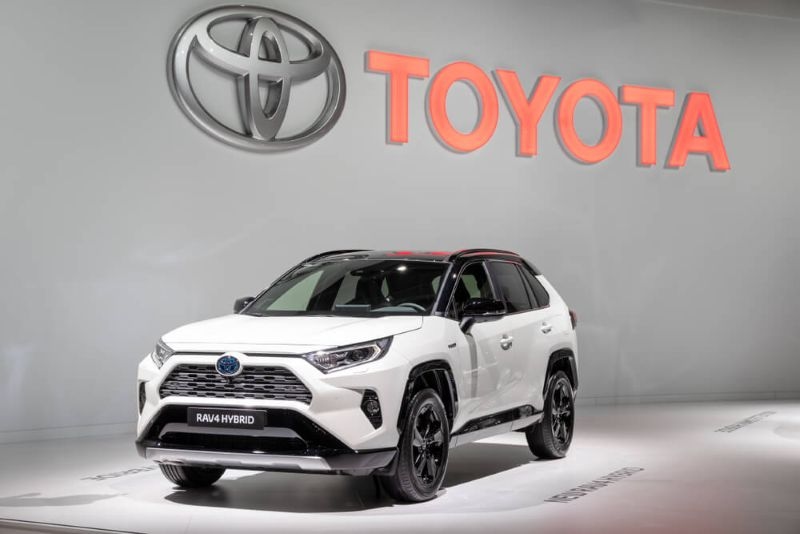
In 2026, the RAV4 gets a major refresh and leans hard into electrification. Car and Driver notes the RAV4 shifts to a hybrid-focused lineup for 2026, with the hybrid offering up to 236 hp and the plug-in version offering up to 324 hp, plus a claimed 50 miles of electric range.
Toyota's own RAV4 page lists up to an estimated 47 city and 40 highway mpg, up to 37.8 cubic feet of cargo capacity, and up to 3,500 pounds towing (depending on configuration).
So the headline for Toyota RAV4 specs 2026 is this: it's built to be the efficiency and daily-use leader, and it's more tech-forward than older generations.
The Highlander sits in the "do everything reasonably well" lane. Toyota's Highlander page highlights a 2.4L turbo engine with 265 hp and 310 lb-ft of torque, plus a hybrid option that can reach up to a 35 mpg EPA-estimated combined rating.
What stands out about Toyota Highlander features isn't one flashy trick. It's the mix: usable third row, family-friendly storage, and day-to-day comfort that doesn't feel like driving a bus. It's also the option many people choose when they want one vehicle that can handle school mornings and weekend road trips without drama.
If the RAV4 is the commuter, the 4Runner is the adventure rig. Toyota's 4Runner page highlights two powertrains: an i-FORCE engine at 278 hp and 317 lb-ft, and an i-FORCE MAX hybrid at up to 326 hp and 465 lb-ft of torque.
That torque number is the point. Toyota 4Runner off-road capability comes from hardware designed for rough use: available 4WD setups, off-road-focused trims, and the kind of stance that doesn't flinch at ruts or steep approaches. Car and Driver describes the core idea well in a comparison: 4Runner is the more capable, rugged SUV, while RAV4 is the compact crossover built around everyday efficiency.
Fuel economy is one of the biggest deciding factors, especially for people doing long commutes or frequent road trips.
RAV4 is the clear efficiency king on paper. Toyota lists up to 47 city and 40 highway mpg estimates for the 2026 RAV4.
Highlander gas and hybrid models land in different places. Car and Driver notes the 2026 Highlander EPA numbers likely won't change from 2025, with AWD gas around 21 city and 28 highway mpg. For the Hybrid, Car and Driver points to about 35 city and 34-35 highway mpg depending on trim.
For 4Runner, fuel economy can be trickier to pin down because sources note EPA details may vary and updates can lag model-year changes. Car and Driver notes EPA numbers for 2026 4Runner may not be released yet, referencing prior-year ratings as a baseline.
So if SUV fuel economy USA is the top priority, the quick ranking usually looks like: RAV4 first, Highlander Hybrid second, Highlander gas after that, and 4Runner as the "you're paying for capability" option.
RAV4 feels like a modern daily driver. Easy visibility, easy maneuvering, and it tends to feel lighter on its feet. It's the one that fits into everyday life without requiring adjustments.
Highlander is tuned for comfort. It's built to soak up rough roads and keep passengers calm. People who drive with kids or adults in the second and third rows usually appreciate the quieter, more stable feel on longer trips.
4Runner, by design, feels tougher and more truck-like because it's built to handle more punishment. Some drivers love that sense of solidity. Others prefer the smoother, more "car-like" feel of RAV4 and Highlander for daily errands.
Read More: Used Toyota Car Benefits: Smart Reasons To Buy One
Towing matters for campers, small trailers, and water toys. Toyota lists the 2026 RAV4 with up to 3,500 pounds towing capacity depending on configuration.
Highlander is often chosen by families who also want towing flexibility. Exact towing can vary by trim and setup, but Highlander generally plays in the mid-size family SUV towing space.
4Runner tends to be the capability-first option for people who prioritize ruggedness. Many dealer and overview sources list towing around 6,000 pounds for certain i-FORCE MAX 4Runner configurations, which matches the "do more in rough conditions" positioning, though exact specs should be confirmed by trim.
Here's a practical Toyota family SUV guide that matches the vehicle to real routines:
If the third row is non-negotiable for daily use, Highlander is usually the cleanest match. If the third row is "nice to have sometimes," the decision shifts back to lifestyle and budget.
Second look at Toyota RAV4 specs 2026: it's hard to beat for a balanced daily SUV, especially with the 2026 efficiency numbers and updated tech.
Tradeoffs? It's not built for serious rock crawling, and it won't feel as rugged as a 4Runner on rough terrain. For most people, that's fine. For a small group, it matters a lot.
Second look at Toyota Highlander features: it wins by being easy to live with. It's the "family logistics" SUV that still feels composed and modern, with the option of hybrid efficiency for people who want better mpg without giving up three-row space.
Tradeoffs? It's not the right tool for hardcore off-road use, and it will feel larger than a RAV4 in tight parking situations.
Second look at Toyota 4Runner off-road capability: if someone truly plans to use trails, overlanding routes, or rough access roads, the 4Runner's torque and off-road trim focus make sense.
Tradeoffs? It will usually cost more to fuel and may feel less "smooth and quiet" than the other two on daily commutes.
Second mention of SUV fuel economy USA because people really do choose based on this. If fuel spend is a major factor:
Check Out: 2026 Toyota Corolla Cross Gets Smart Upgrades for Drivers
Second mention of Toyota family SUV guide, because here's the fastest shortcut:
That's the cleanest way to decide without overthinking it.
RAV4 is usually the easiest daily pick thanks to efficiency and size, while Highlander fits better if a third row is needed regularly.
4Runner is the most off-road oriented option, with powertrains and trims built for trail capability.
RAV4 leads with Toyota's estimated mpg figures, while Highlander Hybrid offers strong efficiency for a three-row SUV.


