

Author: Pratik Ghadge
There are concept cars that look cool in photos and then disappear forever. Then there are concepts that feel like someone inside the company is testing a real idea. Toyota Kayoibako lands in that second category.
It's a small, boxy electric van concept built around one big question: what if a vehicle worked like a reusable container? Something you can "configure" for delivery, camping, mobility access, or even a pop-up shop without reinventing the whole vehicle. Toyota even ties the name to the idea of reusable boxes used for logistics, which is basically the concept in one word.
This article works like a simple Toyota "Kayoibako" Modular EV Van review. Not a road test, because it's a concept, but a clear breakdown of what it is, what Toyota revealed, and why so many people keep talking about it.
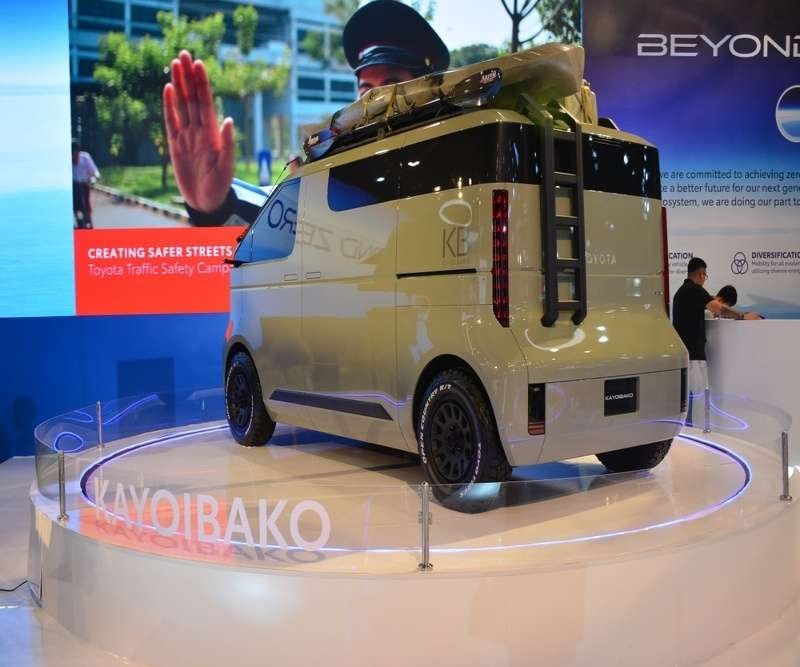
Toyota Kayoibako is a battery-electric "base unit" concept that Toyota presented as a flexible mobility platform. The look is deliberately box-shaped because the goal is space efficiency, easy entry, and modular interior packaging.
What Makes It Different:
And yes, it has that cute "microvan" vibe. But the design isn't only about looks. It's about urban practicality.
Toyota did release key measurements, and they're surprisingly compact for something that looks so tall and roomy.
Here are the headline Toyota Kayoibako specifications from Toyota's official press information:
Exterior Dimensions:
Interior Space (Maximum):
That footprint is part of the appeal. Several outlets noted it's roughly city-car sized in length, yet built to prioritize usable space.
The "modular" idea matters because Toyota didn't present Kayoibako as one fixed product. It's more like a platform with different personalities.
Examples Shown In Coverage And Concept Variants:
This is why it gets attention in urban mobility conversations. It's trying to solve multiple city problems with one flexible foundation.
Second mention, as promised: Toyota "Kayoibako" Modular EV Van review time, focused on the standout ideas.
What's Actually Clever Here:
It's not pretending to be a luxury van. It's more like Toyota saying, "What if we made the most useful small EV box possible?"
Here's the honest part: Toyota has not announced a production plan or official pricing for Kayoibako as a consumer vehicle. It's presented as a concept, and most credible reports treat it that way.
So when people search Toyota Kayoibako price, the responsible answer is:
How To Think About Price If It Ever Launches:
If Toyota turns it into a real product, pricing will probably depend on whether it targets fleets, consumers, or both.
Read More: 2026 Toyota Corolla Cross Gets Smart Upgrades for Drivers
Second mention of Toyota Kayoibako specifications, because the missing details matter just as much as the published ones.
Toyota and major coverage did not provide full public specs on:
That's normal for a concept. Toyota is showing the packaging and use-case vision first, not locking in drivetrain numbers publicly.
Even though the concept debuted earlier, it still feels relevant in 2026 because city mobility problems haven't gotten simpler.
Kayoibako's design points straight at modern needs:
It's basically a "one platform, many jobs" idea, which is exactly what cities and fleets keep asking for.
Second mention of Toyota Kayoibako price, with a practical angle for readers who are tracking it.
If You're Watching For Real Pricing Later, Track These Signals:
Until Toyota confirms those, any "price" should be treated as a guess, not a fact.
Related Resource: Increase Toyota 4Runner MPG With Smart Driving Tips Easy
Kayoibako is still best viewed as a blueprint. But it's a blueprint with a clear message: EVs don't all need to be sporty crossovers. Some can be practical boxes that make city life easier.
If Toyota Moves It Forward, The Most Likely Next Steps Would Be:
For now, it remains one of Toyota's more thoughtful modular EV concepts, mainly because the idea feels usable, not just futuristic.
Not yet. Toyota has shown it as a concept and has shared dimensions and interior packaging, but no confirmed production launch has been announced.
Toyota shared exterior dimensions (3,990 mm long, 1,790 mm wide, 1,855 mm tall, 2,800 mm wheelbase) and interior max dimensions (3,127 mm long, 1,485 mm wide, 1,437 mm high).
Toyota has not released an official price because it is a concept. Any specific price figure online should be treated as speculation unless Toyota confirms it.


