

Author: Tiyasha Saha
Toyota bZ4X Review Now Made Available Because The electric SUV's 2026 Revamp Looks promising. Toyota's electric SUV, which has been renamed simply as the Toyota bZ, has undergone a dramatic overhaul for 2026, addressing many of the criticisms its predecessor faced-namely, driving range, charging speed, power, and technology.
Considering that EV adoption in the United States continues to soar, more consumers turn to an electric alternative-the more than 1.3 million new EV registrations from just this year's second quarter indicate there's no turning back for the segment-but is Toyota's newest electric SUV truly able to challenge its peers? We check out the new bZ to see if this could be the EV for you, analyzing everything from exterior, interior, and driving experience to charging and reliability.
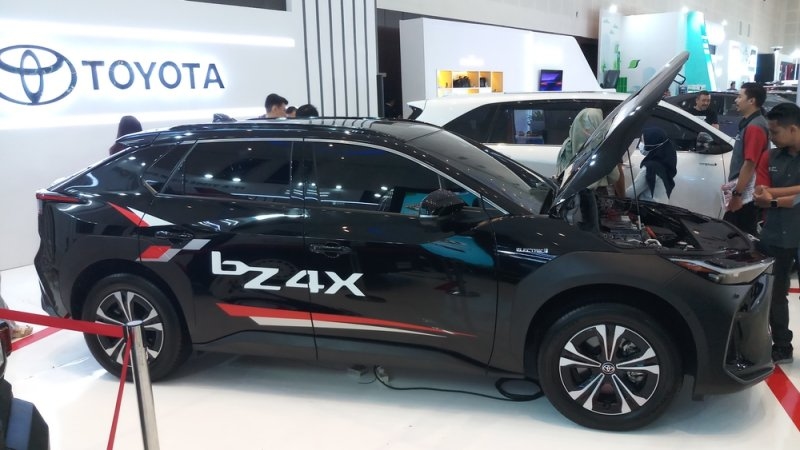
The bZ4X retains a very familiar look overall, with Toyota opting for refinement rather than a radical redesign of the SUV. For starters, the front end looks cleaner and more streamlined than ever before.
A set of body-colored wheel arches now replaces much of the black plastic cladding on the original version, giving the bZ a more premium, stylish look on the street. Though the concept remains aerodynamic, there's much greater cohesiveness this time around, making it a perfect fit for consumers searching for a modern yet practical family hauler.
Try This: Comparison of the 2024 Toyota BZ4X and 2024 Hyundai Ioniq 5
Toyota has polished the bZ's cabin, making it feel much more high-tech and welcoming. There's a standard 14-inch central touch display-which the old bZ sorely lacked-alongside a redesigned center console that features more integrated storage solutions. Other upgrades in this segment include smartphone wireless integration and other better controls that help optimize everyday driving.
While still largely practical for everyday life, with good space, we found the interior's material quality to be more than satisfactory and better aligned with rivals, allowing us to really embrace being in the driver's seat.
In its drive, Toyota prioritizes comfort and smoothness over sportier performance. The acceleration off the line feels instant thanks to the potent electric powertrain, and the ride over bumpy surfaces feels really good.
Steering is a bit lighter, and the vehicle's overall weight provides a stable, planted feel, making for a pleasant experience during city commuting and on highway cruising. The bZ4X gets an all-wheel-drive variant producing up to 338 horsepower-considerably more than the original model.
Toyota is addressing one of the biggest pain points for the prior models by providing substantially better range, at around 314 miles. The bZ comes with a larger battery. However, this improvement is also reflected in charging speeds, which have seen an upgrade:
The introduction of a standard North American Charging System (NACS) port, allowing bZ owners access to Tesla Superchargers, would provide great peace of mind when traveling long distances. This also includes preconditioning that improves cold-weather performance and charging efficiency, while an 11-kW onboard AC charger provides faster charging at home.
If you're shopping for electric crossovers, this is a comparison in which the Toyota bZ4X would match and even eclipse certain competitors. The Y still has faster performance, a superior technology ecosystem, and a more expansive charging network.
Toyota has, on the other hand, managed to close the gaps in charging speeds (thanks to Tesla Supercharger access) and battery range, and it still offers Toyota's industry-leading reputation for long-term durability, which would be a comforting addition to many customers who plan to keep their cars long-term.
With regard to the car's longevity, there's nothing more we can say other than that Toyota remains one of the most trusted brands across the automotive spectrum. In truth, the original Toyota bZ4X received plenty of criticism when it first hit dealerships, though it was primarily due to battery-related issues, which Toyota addressed with improved battery management, a more powerful AC motor, and software adjustments.
Of course, this car continues to uphold Toyota's heritage of long-term battery and vehicle durability, with a comprehensive warranty program to back it up.
While Toyota's refreshed bZ model addresses its prior models' shortcomings, it may lack certain advantages:
In a country where most daily commuters will average approximately 40 to 50 miles a day, the 2026 Toyota bZ offers a comfortable ride, enhanced driving range, a NACS port for access to some of the largest public charging networks available, and that trustworthy Toyota pedigree that can offer some sense of mind for those breaking into EV ownership.
The only drawback might be if you plan for very long road trips every single day or often need that ultra-fast charge, which some others simply offer more readily.
After scrutinizing the 2026 Toyota bZ from top to bottom, it's evident that Toyota truly listened to customer feedback and implemented substantial improvements to enhance the driving experience. The refined exterior styling, increased driving range, faster charging, improved performance, and a modernized interior now position the bZ as a compelling option in the increasingly competitive EV market.
In short, while some rivals may trump it in specific areas of performance, the combination of comfort, an intuitive dashboard layout, and robust build quality makes the Toyota bZ a very compelling option for first-time electric SUV shoppers in the United States. We at Search.com are driven by the desire to give consumers all the information they need to make the best car choice.
Yes, you can charge the Toyota bZ4X at home with either a Level 1 or Level 2 charger. In the case of the latter, a standard on-board 11 kW AC charger will help expedite charging at any Level 2 charging station. Charging will typically get you more than enough range for a day's work for just an overnight charge.
Yes. The new Toyota bZ4X incorporates the best of that firm's experience in vehicle performance in cold climes, with new features for improved battery preconditioning and thermal management. While all EVs lose some range during the cold winter months, Toyota has come out fighting.
The Toyota bZ4X provides ample space for everyday chores or casual trips with the rear seats up or down. While some competitors offer more cargo volume, it should work fine for typical families that typically travel lightly with their equipment.


