

Author: Tiyasha Saha
Loading up for a weekend getaway or tackling a massive grocery run can quickly turn chaotic without a clear packing plan. Learning how to organize Toyota Highlander cargo space transforms your SUV cabin from a cluttered pile into an efficient, stress-free storage system. According to official manufacturer interior metrics, the Toyota Highlander offers up to 84.3 cubic feet of maximum volume, giving active families abundant room for equipment, luggage, and everyday supplies.
However, having generous space does not automatically guarantee neat organization. Without structured storage accessories and strategic packing habits, items slide around, block rear sightlines, and scuff interior panels during sharp turns. In this comprehensive SUV storage guide inspired by leading auto gear experts, we will examine interior measurements, review seat-folding configurations, detail practical packing ideas, highlight top organizer accessories, and answer your most pressing cargo questions.
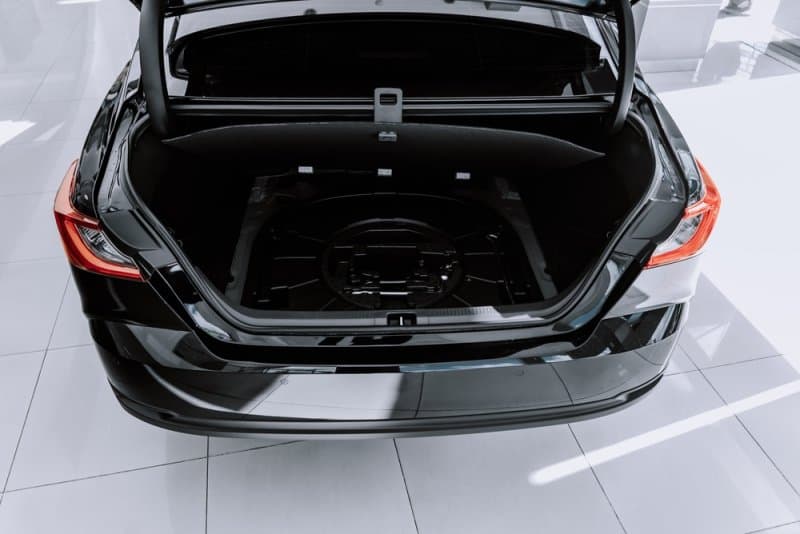
Evaluating Toyota Highlander cargo dimensions helps drivers choose the right storage bins, luggage sets, and travel gear:
Reviewing the Toyota Highlander cargo capacity across different seating setups allows you to adapt your layout for shopping trips, sports gear, or camping excursions effortlessly.
Utilizing the Toyota Highlander cargo space with seats folded creates a virtually flat load floor suitable for bulky items:
Knowing these figures makes planning Toyota Highlander cargo space for road trips straightforward and predictable.
Must Try: 2027 Toyota Highlander First Look and Review Revealed
Investing in the best organizers for the Toyota Highlander cargo area keeps your cabin neat and protects factory carpets:
Multi-compartment storage totes keep emergency kits, jumper cables, cleaning wipes, and sports gear contained. Look for non-slip rubber bottoms or Velcro straps that secure firmly to carpeted floors.
Installing an envelope-style cargo net near the liftgate prevents loose groceries from falling out when opening the hatch. Side mesh pockets utilize dead space around wheel wells effectively.
Durable rubber cargo mats guard against spilled liquids, mud, and dirt. Split-folding seatback covers protect the rear fabric when folding seats down for heavy cargo.
Finding the right Toyota Highlander cargo area storage solutions ensures long-term resale value and interior cleanliness.
Try This: A Guide to Toyota Highlander Interior Specs & Features
Implementing smart Toyota Highlander trunk storage ideas improves daily convenience for busy parents and outdoor adventurers:
Learning how to maximize Toyota Highlander cargo space ensures every cubic inch works efficiently for your family lifestyle.
Calculating total Toyota Highlander luggage capacity depends on your passenger count and seating arrangement. When traveling with up to five passengers, folding the third row provides ample room for four large rolling suitcases, duffel bags, and a cooler.
When carrying seven or eight passengers, space behind the third row holds about three carry-on bags or a double stroller. Adding a roof rack cargo box or hitch-mounted carrier provides extra storage without sacrificing interior legroom.
Essential Reads: Elevate Your Drive with the 2024 Toyota Grand Highlander
Maximizing your Toyota Highlander cargo space is the key to enjoying stress-free family travel, organized grocery runs, and seamless road trips. Throughout this guide, we evaluated official cargo dimensions, detailed seat-folding configurations, reviewed top organizer accessories, and shared practical packing strategies. By utilizing hidden under-floor compartments, installing durable all-weather liners, and securing non-slip trunk bins, you protect your vehicle interior while keeping gear accessible. Balancing passenger comfort with smart luggage packing ensures every journey remains comfortable and organized. Taking time to outfit your SUV with custom-fit storage solutions elevates your daily driving experience.
Are you ready to upgrade your SUV storage layout, protect your interior upholstery, and prepare for your next big family road trip? Connect with trusted automotive accessory specialists and explore custom cargo gear today to optimize your vehicle!
The Toyota Highlander features a cargo floor length of approximately 16 to 18 inches behind the third row, extending to over 45 inches behind the second row, and roughly 83 inches with all rear seats folded flat. The interior width between wheel wells measures around 45 inches.
No, a standard 4-foot by 8-foot sheet of plywood will not lie completely flat inside a Toyota Highlander. While the length with seats folded approaches 83 inches, the narrow width between the rear wheel arches measures approximately 45 inches, requiring lumber to rest at an angle.
To install an OEM retractable cargo cover, insert one end of the spring-loaded main housing bar into the designated side recess behind the second row. Compress the opposite end, snap it into the matching notch, then pull the vinyl shade back and hook it into the rear tailgate slots.
Yes, installing factory or aftermarket roof rack crossbars allows you to attach hard-shell cargo boxes, ski racks, or kayak carriers. A roof cargo box adds 12 to 22 cubic feet of external storage, preserving internal seating space for family members during long travel trips.
Clean rubber cargo mats by removing them from the vehicle, shaking off loose dirt, and spraying them down with a garden hose. Apply a mild car wash soap or citrus cleaner, scrub with a soft-bristled brush to lift dried mud, rinse thoroughly, and air-dry before reinstalling.


