

Author: Pratik Ghadge
The Toyota 4Runner has always had that "ready for a trail" personality, even when it is just sitting outside a grocery store with milk, dog food, and a pack of paper towels in the back. It looks rugged because it is rugged. Still, not every owner is building a desert truck or rock-crawling monster.
For many drivers, Toyota 4Runner upgrades need to make everyday life better first. Better lighting. Easier storage. More comfortable seats. Safer cargo space. Cleaner floor mats. Maybe tires that can handle dirt roads without humming like a small airplane on the highway.
The 2026 4Runner also gives owners a newer platform to work with. Toyota lists available i-FORCE and i-FORCE MAX powertrains, with the hybrid version offering up to 326 net combined horsepower, so owners are starting with a much more modern SUV than the older V6 generation.
A lot of people jump straight to lifts, big tires, roof tents, and light bars. Fun, yes. Always necessary? Not really. Daily drivers usually benefit more from small things first.
The smartest 2026 Toyota 4Runner accessories are often boring in the best way. All-weather floor mats, cargo liners, seat covers, center console organizers, sunshades, and phone mounts make the cabin easier to live with. Toyota's parts site already lists genuine 2026 4Runner Hybrid parts and accessories, covering common replacement and accessory categories for the new model year.
A new owner may want to begin with the following:
Not exciting in photos, maybe. Very useful by week two.
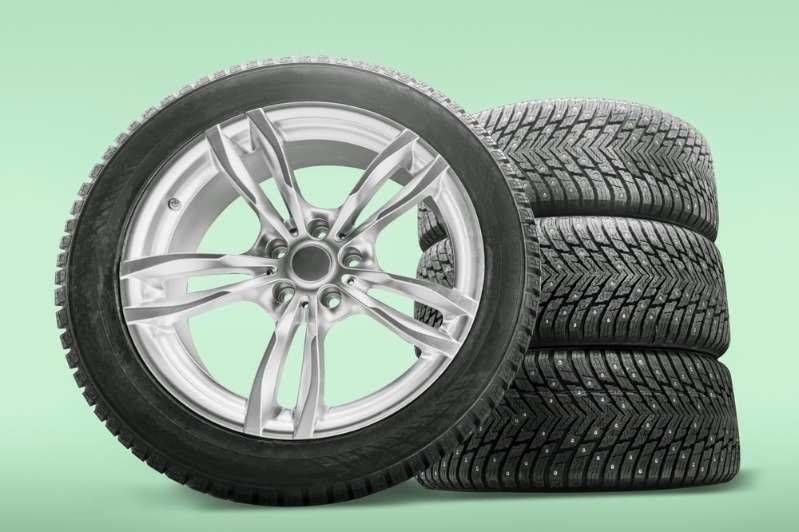
Tires change the way a 4Runner feels more than many owners expect. A good all-terrain tire can improve grip on gravel, rain, dirt roads, campsite trails, and light snow. But going too aggressively can make daily driving louder and heavier.
For someone searching for the best Toyota 4Runner upgrades for daily driving and off-road use in 2026, tires are usually near the top. The trick is balance. A mild all-terrain tire often makes more sense than the biggest, toughest-looking option.
Big tires can look great, but they may affect fuel economy, braking, ride comfort, and speedometer accuracy. A daily 4Runner does not need to punish its owner on every commute.
Better lighting is one of the most practical upgrades, especially for drivers who leave early, return late, camp, or drive rural roads. Fog lights, interior cargo lights, ditch lights, and upgraded reverse lights can all make the SUV more useful.
This is where Toyota 4Runner exterior upgrades can be practical rather than just cosmetic. A good set of lights can help during nighttime parking, bad weather, trail setup, or unloading gear after dark.
Owners should avoid blinding other drivers. Cheap, poorly aimed lights can create more problems than they solve. Proper installation matters.
Suspension upgrades can help, but this is where people often overspend. A huge lift may look cool online, but it can make daily driving worse if it is not matched properly with tires, alignment, and real use.
For Toyota 4Runner performance mods, a mild suspension setup is usually better for a mixed-use SUV. Better shocks, slightly improved ride control, or a modest lift can help on rough roads without making the vehicle feel clumsy in town.
The 2026 Trailhunter and TRD Pro trims already come with serious off-road-focused equipment, depending on configuration, so some owners may not need much right away. Dealer and model research pages note features such as TRD roof racks, Trailhunter rack platforms with MOLLE panels, recovery points, and available TRD performance exhaust equipment on certain models.
Check Out: Toyota Alphard Vs Vellfire Luxury MPV Comparison Guide
One reason people love the 4Runner is cargo space. One reason people complain about cargo space is that gear slides everywhere. That is why storage upgrades matter.
Drawer systems, cargo dividers, MOLLE panels, seat-back organizers, roof racks, and small storage bins can keep the SUV from becoming a rolling junk drawer. For families, campers, dog owners, and weekend travelers, this kind of Toyota SUV customization may be more useful than horsepower.
Roof racks are useful, but they should not become a place to carry everything forever. Extra weight up high can affect handling, fuel economy, and noise. A rack should match the owner's real habits, not just the look they want.
The best 4Runner mods for beginners are the ones that are easy to use, easy to maintain, and hard to regret later. Not every new owner needs a winch, steel bumper, rooftop tent, or full overland build.
A sensible beginner list may include:
Road & Track recently compared a heavily outfitted 4Runner with a stock TRD Off-Road Premium and argued that the stock model handled a real trail very capably, which is a good reminder that skill and preparation can matter more than expensive gear.
Some exterior upgrades look good and work hard. Rock sliders can protect the lower body on trails. Skid plates can help protect important parts underneath. Mud flaps can reduce road spray. A quality roof rack can carry camping gear, recovery boards, or light cargo.
These Toyota 4Runner exterior upgrades make the most sense when the owner actually uses the SUV outside normal pavement. For a daily driver, appearance-only upgrades are fine too, but they should not create rattles, wind noise, or warranty headaches.
That is the boring truth. If an upgrade makes the 4Runner worse every single day just to look good on weekends, it may not be worth it.
The newer turbocharged 4Runner gives owners more torque and a more modern engine feel than the old V6 setup. Some owners will still look at exhausts, tuners, intake parts, and other performance changes.
That is fine, but Toyota 4Runner performance mods should be chosen carefully. Power upgrades can affect reliability, warranty coverage, emissions compliance, fuel economy, and drivability. A daily driver should stay smooth, predictable, and easy to service.
For most owners, tires, suspension, lighting, and storage will make a bigger real-world difference than chasing extra power.
On a Related Resource: Toyota RAV4 2026: Smart Pick for New York City Roads
The best Toyota 4Runner upgrades are not always the loudest ones. For daily driving in 2026, the smartest changes are practical: better tires, cabin protection, lighting, storage, mild suspension improvements, and basic recovery gear.
For owners looking at the best Toyota 4Runner upgrades for daily driving and off-road use in 2026, the answer is to build slowly. Start with what the SUV actually needs. Drive it. Notice what annoys you. Then upgrade.
Good Toyota SUV customization should make the 4Runner more useful, not just more crowded with parts. A clean, thoughtful build will always age better than a rushed one.
Not always. It is usually smarter to drive the 4Runner for a few weeks first. The owner may think they need a lift, then realize storage, tires, or lighting matter more. Daily habits reveal the best upgrades. School runs, highway commutes, camping trips, muddy roads, and parking garages all teach different lessons.
No, bigger tires are not always better. They can improve ground clearance and appearance, but they may also add noise, reduce fuel economy, affect braking, and make the SUV feel heavier. A mild all-terrain tire is often a better choice for mixed daily driving and weekend trails. The best tire is the one that fits the actual use.
For most beginners, tires and basic protection offer the best value. Good all-terrain tires improve confidence on dirt, rain, gravel, and light trails. Floor mats, cargo liners, and seat covers protect the interior from real life. After that, a portable air compressor, dash camera, and simple recovery kit are smart, useful additions.


