

Author: Shilpi Singh
Ask ten Camry shoppers what they're stuck on, and most of them will say the same thing: hybrid or gas? It sounds like a simple choice until you actually sit down and run the numbers. The hybrid's fuel economy stats are impressive enough to make the decision feel obvious, until you notice the higher price tag and start second-guessing yourself.
So let's actually break it down. This Toyota Camry Hybrid vs. Gas comparison looks past the brochure numbers and gets into what you'd actually pay: fuel, maintenance, resale, the works, so you're not just guessing which one makes sense for how you drive.
This is really where the hybrid comparison gets interesting, because the gap isn't small.
| Category | Camry Hybrid | Camry Gas |
| City MPG | ~51 mpg | ~28 mpg |
| Highway MPG | ~53 mpg | ~39 mpg |
| Combined MPG | ~52 mpg | ~32 mpg |
| Fuel Tank Range | 600+ miles | 450+ miles |
Drive around 12,000 miles a year, and that mpg difference isn't just a number on a sticker. It shows up in your wallet, especially if you're doing a lot of city driving where the hybrid's regenerative braking and electric-only crawling really earn their keep.
Here's the catch, though: if your commute is mostly highway miles at steady speeds, the hybrid's edge shrinks quite a bit. It's still better, just not dramatically so. Worth knowing before you assume the hybrid math works the same for everyone.
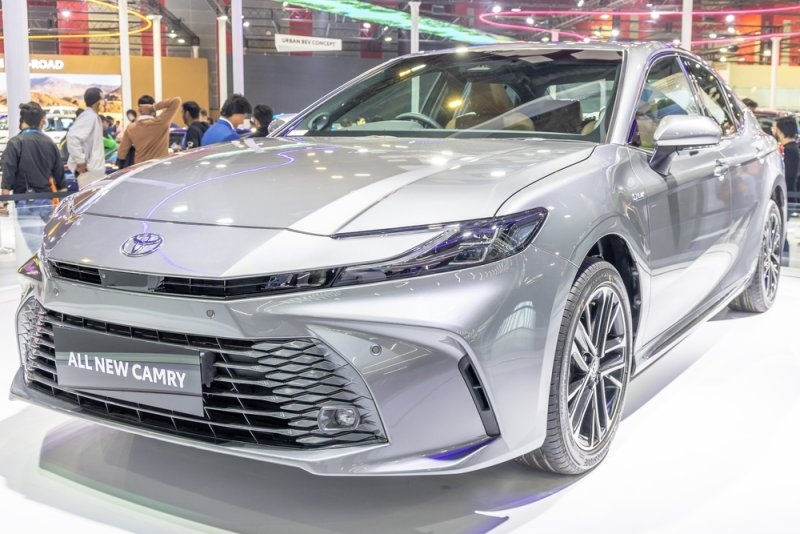
Yes, the hybrid costs more to buy. On base trims, that gap can be surprisingly small, sometimes barely over a thousand dollars. Move up into the higher trims, though, and the difference gets more noticeable.
A few things that can shift the actual math in your favor:
If you're weighing efficiency against space across Toyota's lineup, our piece on the best Toyota SUVs for families in 2026 covers a similar set of trade-offs for buyers torn between practicality and fuel economy.
Honestly, this myth needs to die. A lot of buyers assume that more tech under the hood means more trips to the shop. Toyota's hybrid system doesn't really work that way.
What tends to actually happen:
So no, more complexity doesn't automatically translate to higher maintenance costs here. Most owners, comparing notes on service history, report that the two versions cost about the same to keep running.
Zoom out past the sticker price and look at total Toyota ownership costs, and the hybrid often pulls ahead, assuming you're putting on decent mileage.
| Cost Factor | Camry Hybrid | Camry Gas |
| Fuel (5 yrs, est.) | Lower | Higher |
| Maintenance (5 yrs) | Similar | Similar |
| Depreciation | Slightly lower | Slightly higher |
| Insurance | Similar | Similar |
The higher your annual mileage, the more that the fuel line item works in the hybrid's favor over a five-year stretch. Low-mileage drivers won't see nearly as dramatic a difference.
Hybrids generally come out slightly ahead on resale, and it's not complicated why. When gas prices spike, used-car shoppers look for efficient options, and the hybrid Camry fits the bill.
That said, both versions benefit from Toyota's reputation for just not falling apart. Resale values across the board tend to beat most competitors, hybrid or not.
If you're putting on real mileage, especially city or stop-and-go driving, the hybrid tends to pay you back over time. If you're working with a tighter budget and mostly drive highway miles, the gas Camry is still a perfectly solid, no-regrets choice.
Either way, you're not sacrificing comfort or safety to save money. Those are identical across both versions. And if you're also eyeing something bigger for the family, it's worth a look at how Toyota handles that same efficiency-versus-space balancing act in the 2026 Grand Highlander.
For most people driving average or above-average mileage, yes. The fuel savings usually catch up to that price gap within a few years.
Not really. Maintenance costs end up nearly identical, and the hybrid battery is built to outlast typical ownership timelines.
Around 20 mpg better combined, with the biggest gains showing up in city driving specifically.
Unlikely for most owners. These batteries typically go well past 100,000 miles and are backed by an extended warranty.
The hybrid usually edges out the gas version on resale, mostly because demand for fuel-efficient used cars stays consistently strong.


