

Author: Tiyasha Saha
EV charging at home is a major reason people are switching from gas to electric cars. Imagine waking up every morning with a full battery-no extra stops at the gas station, no waiting around. That's daily life for millions of EV owners already. The International Energy Agency reports that over 70% of EV charging happens at home, making it the main way folks power their cars. While U.S. automakers and utility companies keep adding more home charging options, the actual setup isn't always as simple as plugging into whatever outlet you find.
You'll need to think about charger type, your home's electrical limits, the cost of installing an EV charger at home, charging speed, and what you'll need a few years down the road. This guide covers how to install an EV charger at home, what it'll cost, how fast you can charge, ways to save money, and tips for choosing the right setup for your routine.
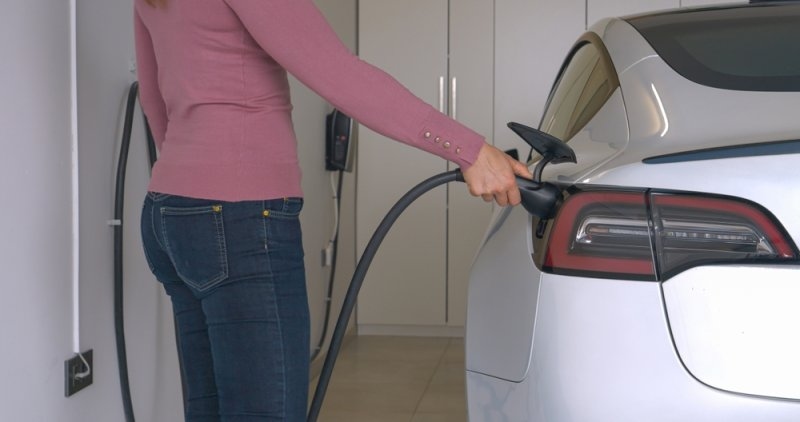
Think about how you treat your phone: you don't wait until it's dead before you plug it in. Charging your electric car at home works the same way-it's easier and healthier for the battery to top it off regularly. Home charging gives you all the control. Forget waiting in line for a public charger or racing around town looking for one.
Just park, plug in, and you're done. For commuters logging 30 to 50 miles per day, overnight charging easily covers what you've used. General Motors has even said that home charging is the backbone of owning an EV, mainly because it's predictable, flexible, and just plain convenient.
Your driveway turns into your own personal fueling station. No more searching for open chargers or worrying after long trips. Plug in at night, unplug in the morning, and you're off.
On a per-mile basis, electricity is almost always cheaper than gas. Some electric companies offer even better rates at night, so charging while you sleep can save you a lot over time.
It's actually better for your EV's battery to get smaller, more frequent charges than to wait until it's almost empty. Most manufacturers suggest keeping your charge between 20% and 80% for everyday driving.
Road trips aside, EV charging at home means you're not losing precious hours at gas stations or public charging spots. Just plug in overnight and let your car handle the rest.
Try This: Toyota Developing Manual Transmission for Electric Vehicles
Many new EV owners wonder how to get a charger installed at home. Honestly, it's usually pretty straightforward.
First, find out how much power your home can handle. Most newer houses already support Level 2 chargers, but if you live in an older place, you might need an upgrade. Bring in a licensed electrician-they'll tell you if your current setup is good enough or if you need more capacity.
There are two main types for home use.
Level 1 Charging
This uses your standard 120-volt outlet-the same kind you use for lamps and gadgets.
Pros:
Cons:
Level 1 is fine if your daily driving is super light.
Level 2 Charging
This one runs on a 240-volt circuit (like the kind used for clothes dryers).
Pros:
Cons:
For most households, a Level 2 charger is the smarter long-term move.
The total cost depends on your electrical system. Here's the usual breakdown:
If your home already has a modern panel, you'll probably pay a lot less than if your system needs major upgrades. Also, look around-some utility companies and local programs offer rebates that can help with the cost.
Not everyone needs the fastest charger on the market. Ask yourself:
If you're only driving 40 miles or less each day, slow charging might actually be enough. If you have multiple EVs or you're planning to add more in the house, a smart charger with higher capacity (plus scheduling and usage tracking) usually pays off.
Essential Reads: A Peek into 2024 Toyota bZ4X's Cutting-Edge Advancements
Many people assume they should plug in as soon as they get home. Actually, you can save money (and help the electric grid) by timing your charging for overnight or off-peak hours. Many power companies have time-of-use plans in which electricity is less expensive late at night and early in the morning. For example, charging between 10 p.m. and 6 a.m. is often much cheaper than charging during the evening rush. Check your provider's plans for details.
Many EVs and modern chargers let you set charging times through an app. Just set it to start during low-cost hours, and you're good-no extra work needed.
Today's chargers are way more than just power outlets. Here are some useful features:
Not every home needs all of these, but they can make life easier (and cheaper) in the long run.
Think of this as a long-term purchase. Skipping a few steps now can cost you later.
Going for the bare minimum might save money now, but if you add a bigger car (or a second EV) you'll wish you'd planned ahead.
Don't just assume your panel can handle a new charger. Always have an electrician check before you buy anything.
Even if you've wired things before, let a pro handle the 240-volt work. Doing it right keeps your home safe and ensures you're up to code.
Plenty of utilities, cities, and states offer rebates or tax incentives for home EV chargers. Don't leave money on the table-check for available programs in your area.
Home charging is moving fast. Some chargers now talk directly with utility companies to optimize when you charge. A few even support vehicle-to-home (V2H) power, meaning certain cars can feed electricity back into the house during an outage or high demand. As more people get EVs, expect even faster charging, smarter energy management, and tighter integration with solar panels and home batteries. Setting up the right charger now means your home will be ready for whatever comes next.
Charging your EV at home isn't just a convenience anymore-it's essential. With most charging happening in the driveway, a good setup saves you time, money, and daily hassle. Whether you're sticking with a basic Level 1 charger or moving up to a Level 2, understanding your home's electrical needs, timing your charging, and planning for the future all help you make the right call. As technology advances, being prepared today means greater flexibility (and likely more savings) tomorrow. Pick a charger that fits your driving habits and long-term plans, and you'll get the most from your electric car-all while making everyday life simple.
Ready to Make Home Charging Easier? For the first steps, familiarize yourself with a variety of chargers and ensure they meet the house's criteria and needs. A little homework now pays off with years of reliable, cost-effective EV charging.
Absolutely. Most Level 2 chargers work indoors or outdoors. If you don't have a garage, just mount the charger on an exterior wall or on a dedicated stand. Make sure it's weatherproof (check the appropriate IP rating) and always use a licensed electrician to keep everything safe and code-compliant.
For many homes, a pro can install a Level 2 charger in 2 to 5 hours. If your electrical panel needs upgrading or extra wiring, it might take a day or two longer. Scheduling an inspection before buying the charger helps you know what to expect.
Yes, you'll use more electricity, but it's still usually way cheaper than paying for gas. The amount depends on your local power rates, your battery size, and how far you drive. To keep costs low and maximize your EV use, you can charge during off-peak hours or use utility incentives to reduce costs.


