

Author: Suman Pathak
The Cherokee is ideal for off-road excursions, whereas the RAV4 provides great overall daily usability, safety, comfort, and fuel efficiency.
While each SUV tackles the same size category with the exact same intentions, the Cherokee is more concerned with adventure, and the RAV4 is more concerned about everyday usefulness. Here's how the two compare in more detail:
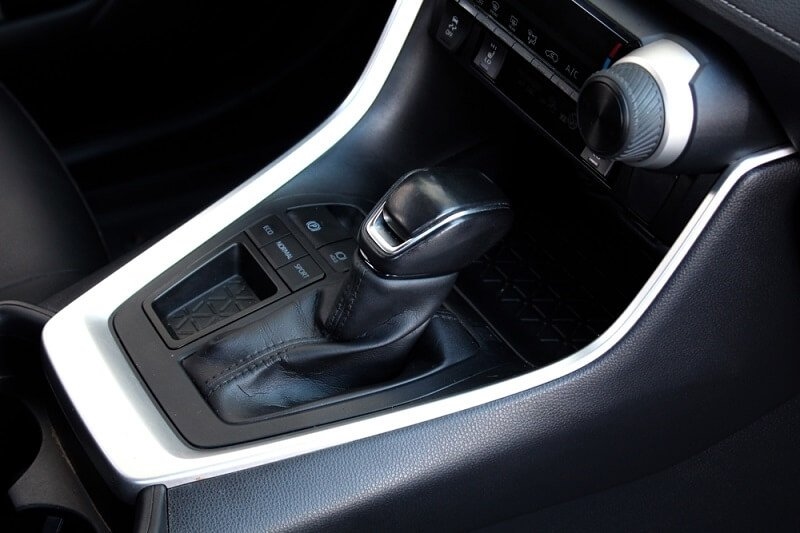
We shall analyze each SUV in critical areas that potential owners may consider the most significant.
This vehicle emulates the classic Jeep aesthetic with its stout grille and muscular design. It is designed for the rugged outdoors and boasts an aggressive appearance that perfectly matches this intention.
While the Cherokee takes a tough stance, the Toyota RAV4 is styled more sharply and more conventionally, with modern angles that lend the SUV an almost athletic look. Higher trims add some sporty elements; TRD models give the SUV additional rough road capability.
The most apparent variation is in the powertrains available for each car. The Cherokee utilizes 2 gasoline options that offer robust capability; one of which, the turbocharged powertrain option, delivers heightened power.
The gasoline powertrain for the RAV4 can be selected in three different configurations, two of which are hybrid models, and there is one plug-in electric and three hybrid options, which is great for fuel efficiency, particularly on commutes that often take place in the city. The range of choice for the powertrain choices means one can easily have more efficiency; however, a number of the powertrains offer very poor capability for off-roading.
The Cherokee comes with a nine-speed transmission system, whereas the standard RAV4 uses an eight-speed. Ultimately, the Cherokee's main strength lies in raw engine power versus efficiency on the part of the RAV4.
Drivers concerned with fuel efficiency will want to consider the Toyota RAV4. While its basic gasoline model offers respectable mileage, you'll want to consider the hybrids for superior gas economy. The PHEV offers the electric option for a select amount of everyday driving.
The Cherokee, while reliable, will not get you as far per gallon. It still can work as a great everyday car, but be cautious of your gas expenses.
The cabin in this Cherokee vehicle is very much suited for the outdoors, using durable, hardy materials, making it capable of resisting the wear and tear that adventurers tend to dish out. However, the car has decent comfort, including supportive seating and infotainment systems suitable for long drives.
The RAV4 provides the most ergonomic and simplest layout. Its interior is as utility-minded as the others are, with convenient cubbies all over the inside of the car for the easy stowage of smaller necessities. Furthermore, the split rear seating gives an excellent boost in cargo versatility; good for anything, from groceries to luggage on family vacations.
Space and convenience go hand-in-hand for family users or commuter car drivers. Off-road enthusiasts might prefer the Cherokee's more rugged vibe.
Both vehicles come standard equipped with the newest in connectivity and infotainment; however, they both style their approach differently.
The Cherokee displays a relatively straightforward infotainment system that can offer much additional technology in higher trims, including many advanced smartphone interfaces.
The RAV4 features a responsive touch-screen that includes Apple CarPlay and Android Auto as standard. Optional premium audio sound systems are available. The technology suite on the RAV4 is better equipped to handle demands for high-tech and modern features.
Toyota has developed and incorporated the latest in safety technology in its vehicles. Toyota Safety Sense 2.5 is standard on the RAV4, and it comes packaged with some incredible safety features. Drivers prioritizing a lot of safety will love this Toyota car.
The Cherokee likewise packs a range of driver-assist systems available depending on trim levels.
This is the Cherokee's area of specialty. There is quite simply no other compact SUV on the market that competes with The Cherokees terrain overcoming abilities and, true to its definition, its ability to drive on terrain other than the standard paved road. Drivers wanting their car to be truly ready to go where no paved path has existed will appreciate the Cherokee's ground clearance, Trailhawk trim, and general rugged build quality.
The AWD system is better than many for navigating off-road paths and trails but not for the real extreme outdoors. TRD models add enhanced capability and some can handle mild trail use; nevertheless, even the more off-road-ready editions offer much lower capability than the standard Cherokee models.
Ultimately, the greatest selection relies more upon how a vehicle will be used than anything else. The Cherokee offers both everyday driving functionality plus serious rugged capability.
With higher fuel efficiency from hybrid models, great practicality in its interior design, advanced safety technology, and improved acceleration, the RAV4 is one car to have as you head into family usage, or need to get to and from work with decent room for cargo as well.
Buy the Jeep Cherokee if you crave off-road capability and rugged styling and want a rugged aesthetic to boot.
Buy the Toyota RAV4 if fuel efficiency, hybrid technology, comfortable everyday commutes, improved safety technology, and easy overall transportation are high priorities.
Explore More: Best Electric Cars 2026: Top Picks for Range and Value
In the comparison of this 2026 Jeep Cherokee vs. Toyota RAV4, there is something for everyone. The Cherokee is the adventurous explorer. The RAV4 caters to comfortable everyday drivers focused on fuel efficiency.
How the car will be driven primarily will determine which is best suited for you. Go with the Jeep if you consider yourself a bona fide trailblazer; consider the RAV4 if you have lots of daily responsibilities to cater to, for example, taking youngsters to school or picking them up from extracurriculars.
Yes, generally the Jeep Cherokee, especially in the Trailhawk guise, is more adept at hard off-road use than the standard configuration RAV4.
Yes, the RAV4 is offered with hybrid and plug-in hybrid versions, which are designed to help maximize fuel economy and cut down on gas consumption.
Usually, the Toyota RAV4 works better for your commute because of its well-appointed interior, practical size and layout, excellent fuel economy, powertrain choices, and availability of a hybrid setup.
The Jeep Cherokee is considerably more capable in the off-road department, particularly the Cherokee Trailhawk and its associated features and powertrain.
The RAV4 provides comfortable seating, a good cargo volume, fuel-efficient options, as well as available hybrid and plug-in models and a wide array of safety equipment, making it a wonderful option for a family.


