

Author: Hetal Bansal
The talk around the 2027 Toyota GR GT has been building for a while now, mostly whispers, leaks, half-confirmed things that feel like smoke without full fire yet. Still, there is enough to piece a rough picture together. This car sits in that strange space between track weapon and road machine, and people expect it to be loud in spirit even if Toyota keeps it controlled on paper. It is not fully revealed, but the direction is clearer than the details.
The project comes from Toyota Motor Corporation's performance division, the GR side, which has been pushing harder into serious sports territory. In this blog, we look at what is likely coming, what is still rumor, how the 2027 Toyota GR GT may shape up, and where it could sit in the modern supercar space.
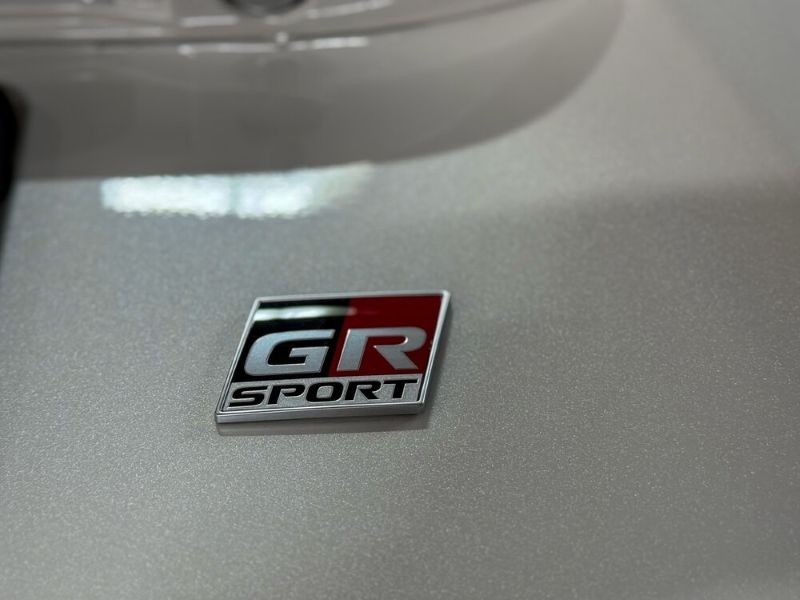
The early chatter around the 2027 Toyota GR GT review is not based on driving impressions yet, obviously, but prototypes and insider notes paint a rough outline. The feeling is that Toyota wants something more raw than polished. Not a luxury-first supercar, more like a race-bred machine that can still survive on public roads without drama every five minutes.
Some reports suggest the design language borrows from GT3 racing cars. Long nose, tight cabin, low stance. Nothing soft. People expecting comfort may be disappointed, or maybe surprised in a bad way. It feels like Toyota is intentionally keeping the edge sharp.
Check Out: 2026 Toyota Corolla Cross Gets Smart Upgrades for Drivers
The Toyota GR GT supercar idea is interesting because Toyota does not often play in full supercar territory. Supra sits below. Lexus has done it before with LFA, but that was rare. GR GT feels like a return to that ambition, but under a different philosophy.
It is expected to sit at the top of the Gazoo Racing lineup, above the Supra, above the GR Yaris in spirit and price, clearly.
But also not trying to be a Ferrari or McLaren copy. It is more restrained in branding. More engineering focus, less drama in presentation. Yet it will still aim for track dominance; that part is clear from early testing direction.
What's new for the 2027 Toyota GR GT is not fully official, but patterns are visible from test mules and Toyota's GR strategy shift.
There is talk of a hybrid-assisted powertrain. Not for efficiency only, more for torque fill and response at mid range. Turbo V8 or V6 is still debated; nothing is confirmed. But hybrid support is almost expected now.
Chassis development seems heavily track-focused. Carbon elements, lightweight panels, and stiffness priority over comfort tuning.
Some key rumored updates:
Don't Miss: 2026 Toyota SUV Lineup: RAV4 vs Highlander vs 4Runner
Toyota GR GT Performance rumors suggest serious output. Not just straight horsepower numbers, but how it delivers power. That is where things get interesting.
The engine is likely mounted in a low and rear-mid position. Balance is key. The goal is to track rotation stability, not just straight line speed.
Acceleration is expected to be sharp, especially with hybrid torque fill. Not laggy. Immediate push, then sustained power curve.
Driving feel might be aggressive:
Design is not flashy in the usual sense. More functional aggression than visual luxury.
Cabin expected to be tight. Driver focused. Minimal distraction. Screens are present but not dominating. Materials likely mix of Alcantara, carbon, and hard performance plastics.
Not everything will feel premium in the traditional sense. Some areas might feel intentionally raw, almost unfinished. That is part of the idea.
Read More: Used Toyota Car Benefits: Smart Reasons To Buy One
The 2027 Toyota GR GT still sits in rumor space, but patterns are strong enough to form a picture. It looks like Toyota is building something serious, not experimental in a soft way, but deliberate and performance-focused. The kind of car that may feel slightly extreme for normal roads, yet rewarding when pushed hard.
There isn't a definite, clear successor. Instead of replacing existing GR models, the GR GT is anticipated to sit above them. Rather than becoming a straight replacement for the Supra or any other current sports vehicle, it may function more as a flagship performance identity.
Production numbers probably won't be huge, but don't expect hyper car-style exclusivity either. Toyota's likely keeping production limited to keep quality and track focus high, without watering things down for mass market appeal.
Sure, but honestly, it's more suited to weekend blasts or track days. The stiff suspension, low ride height, and general aggressiveness won't make your morning commute any softer.
When it comes to motorsport, the influence is obvious. The whole car feels like it was built for the track first, then tweaked for the street. Aerodynamics, chassis, the whole package-it all borrows straight from Toyota's GT racing playbook.


