

Author: Shilpi Singh
Anyone who's owned a Toyota 4Runner for more than a few months knows it's a solid truck right out of the factory. But "solid" doesn't always mean "set up for your life." Maybe you need more cargo room for weekend trips, better lighting for late drives home, or gear that can actually survive a rough trail. That's where good Toyota 4Runner accessories come into play. This article walks through the best accessories for Toyota 4Runner owners, covering everything from daily comfort upgrades to full-on trail builds, so you're not stuck guessing what's actually worth your money.
Here's the thing about 4Runner owners: most of them aren't just buying an SUV, they're buying a starting point. Some want small quality-of-life upgrades for their commute. Others want to build something that can handle real trails on the weekend. The 4Runner happens to be good at supporting both goals, which is probably why the aftermarket scene around it is so huge.
If daily driving upgrades are more your speed, this piece on Toyota 4Runner upgrades for daily driving is worth a look alongside this one.
Honestly, roof rack accessories are where most people begin, and it makes sense. A decent roof rack opens up storage space you didn't have before, without sacrificing an inch of room inside the cabin.
A quick breakdown:
| Accessory | Best For |
| Crossbar roof rack | Basic gear hauling, bike racks |
| Cargo basket | Loose gear, coolers, duffel bags |
| Roof rack with side rails | Modular attachments (tents, boxes) |
Once you've got crossbars or side rails installed, you're also set up for rooftop cargo boxes, which come in handy on long road trips when the trunk just isn't cutting it anymore.
Cargo accessories matter just as much inside the 4Runner as they do up top. The factory cargo area has decent room, but it's not exactly built to keep things organized once you hit a pothole or two.
A few upgrades people swear by:
These are especially useful if your 4Runner pulls double duty between grocery runs and weekend camping trips.
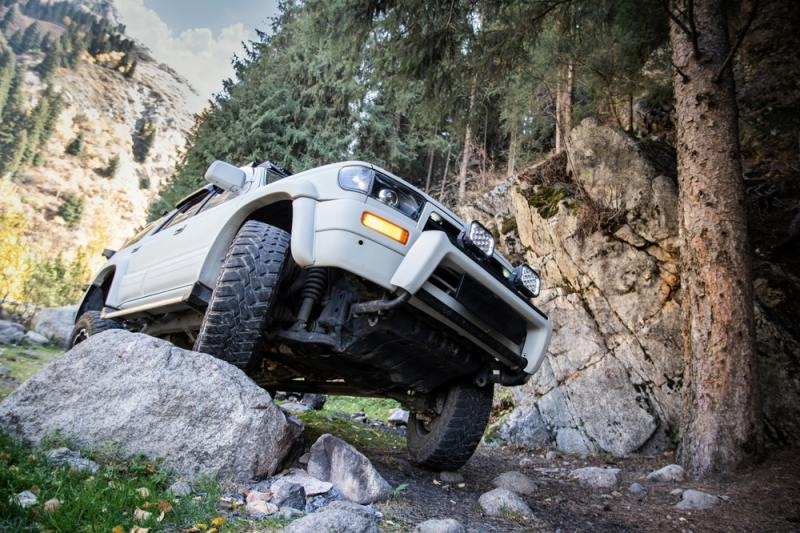
If you take your 4Runner off pavement even occasionally, a few off-road upgrades genuinely earn their keep. You don't need a fully caged rock crawler to benefit from some basic protection and function.
Things worth considering:
These aren't just for show either. They make a real difference in how confident you feel tackling rougher terrain.
For people chasing longer trips further off the map, overlanding gear is where things get fun. This isn't really about daily practicality anymore; it's about being self-sufficient for days at a time.
Gear that tends to come up a lot:
Even if full overlanding isn't the plan, a couple of these accessories can make a regular camping weekend way easier.
Not every upgrade has to be about trails or gravel roads. Interior comfort counts too, especially if your 4Runner is mostly a daily driver. Seat covers, all-weather floor mats, and console organizers aren't glamorous, but they make a noticeable difference in how clean and comfortable the cabin feels day to day.
If you're comparing the 4Runner against other family-friendly options, this related read on the best Toyota SUVs for families in 2026 is a good companion piece for thinking through space and safety priorities.
Some accessories aren't unique to the 4Runner but still make the list of the most useful SUV accessories. Phone mounts, dash cams, tow hitches, portable air compressors, none of these are exciting, but they solve problems that basically every SUV owner runs into eventually.
With this many options, it helps to think in terms of priorities instead of trying to buy everything at once. Ask yourself a few honest questions:
Buying with a bit of intention keeps you from ending up with a 4Runner loaded down with accessories that sound cool but never leave the garage.
The 4Runner is already a capable SUV on its own. The right accessories just help it fit your actual life, whether that's commuting, hauling gear, or full weekend overlanding trips. Start with whatever solves a real problem you deal with regularly, then build from there. A setup you thought through will always beat one you rushed into.
Also Read: Toyota 4Runner vs. Jeep Wrangler: Which One Wins in 2026?
A roof rack, a good cargo liner, and all-weather floor mats are a solid starting point before you move into off-road-specific gear.
Yeah, a little bit. Roof racks plus cargo boxes bring extra wind drag, which can quietly chip away at fuel economy, especially once you're cruising on the highway.
Not really. If you're more of a casual explorer, all-terrain tires and a basic set of skid plates usually get you by. But if you're the type who's out there often, then a full recovery setup becomes the better call.
Honestly, start with a rooftop tent, or even just a simple awning. That tends to be the most sensible first step before you start investing in extra auxiliary power or water systems.
No, not always. A lot of cargo add-ons are designed around particular generations, so you should verify the compatibility for your exact model year before you buy anything.


