

Author: Aniket Pandey
Stop buying heavy metal boxes just for the school run. Dealerships push hardcore dirt trucks on buyers who just want a quiet highway commute. Figuring out the exact Toyota 4Runner vs Honda Passport split prevents buying the wrong machine entirely. Heavy body-on-frame trucks ride like actual tractors. Meanwhile, smooth unibody crossovers handle exactly like giant premium sedans. Shoppers constantly mix up these two vastly different platforms on the showroom floor. One crushes muddy rocks perfectly. The other completely dominates daily suburban traffic without spilling coffee in the cup holders. Matching the actual sheet metal to the daily driving reality prevents total buyer remorse.
Must Read: Best Toyota SUV for Families in 2026 With Safety and Space
Comparing these two models directly requires looking at the actual metal underneath the paint. They look somewhat similar from the curb but operate on totally different engineering blueprints.
| Feature | 2026 Honda Passport | 2025 Toyota 4Runner |
| Chassis Platform | Smooth unibody construction. | Heavy body-on-frame truck. |
| Base Engine Output | 285-horsepower V6. | 278-horsepower turbo four-cylinder. |
| Seating Rows | Strictly two rows. | Available third row options. |
| All-Wheel Hardware | Standard AWD everywhere. | Rear-wheel drive base, optional 4WD. |
This crossover completely ignores the hardcore rock-crawling fantasy. It focuses entirely on delivering a massively comfortable daily drive without shaking the cabin apart.
Rear passengers gain over six inches of extra legroom compared to rival trucks. This extra floor space completely prevents tall adults from crushing their knees against the front seats on long highway road trips.
Shoppers terrified of complex modern turbochargers absolutely worship this engine bay. The massive naturally aspirated V6 delivers smooth, predictable power without worrying about expensive turbo failures blowing up the bank account later.
Unibody construction handles giant city potholes exactly like a premium luxury car. It totally eliminates the harsh, jittery suspension bounce that plagues traditional off-road vehicles trying to cruise down simple paved highways.
Top Pick: Toyota RAV4 2026: Smart Pick for New York City Roads
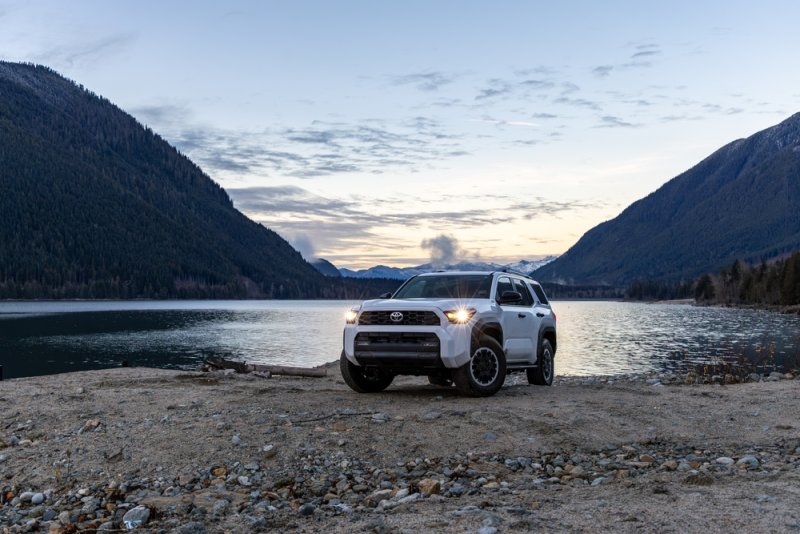
This legendary dirt machine recently underwent a massive generational overhaul. It strictly maintains its rugged roots while finally adding actual modern technology inside the cabin.
Engineers stuck strictly to a rigid body-on-frame truck platform to handle brutal trail abuse. True four-wheel-drive hardware rips through deep mud pits and heavy snow banks that would easily strand a standard family crossover.
Toyota dropped a highly advanced hybrid powertrain onto the option list. It sacrifices a tiny bit of cargo room but dumps absolutely massive electric torque directly to the wheels for insane low-speed trail crawling.
These rugged machines physically refuse to depreciate like normal passenger vehicles. Owners trade them in after five years of heavy abuse and still collect a massive check because the secondary market desperately hunts for used models.
Blindly swiping a credit card on a cool-looking rig leads directly to massive buyer remorse. Nailing down a proper midsize SUV comparison demands total honesty about actual daily driving habits.
Sloped roofs look incredibly stylish but completely destroy actual trunk usability. A Honda Passport comparison instantly proves its wider rear hatch easily swallows giant coolers, while rival jump seats heavily choke interior storage space.
Heavy off-road tires and boxy aerodynamic profiles completely slaughter highway gas mileage. Buyers strictly commuting seventy miles a day will bleed cash filling up a heavy truck compared to running a highly aerodynamic unibody crossover.
Massive dirt rigs feature incredibly wide turning radii that make tight downtown parking garages totally impossible to navigate. A proper Toyota 4Runner comparison must involve test parking the actual vehicle to ensure it physically fits inside older residential garages without scraping the paint.
Owning a heavy utility vehicle requires serious long-term cash reserves. Mechanics charge drastically different rates depending on the exact badge slapped on the front grille. European rigs completely drain wallets fast, but these two specific Asian manufacturers basically invented automotive reliability. Routine maintenance mostly involves simple oil changes and standard brake pad swaps instead of massive, catastrophic engine rebuilds. However, opting for advanced turbocharged hybrid systems naturally introduces significantly more complex wiring into the engine bay. Traditional naturally aspirated engines carry far fewer moving parts that can randomly break down. Buyers planning to keep a single vehicle for over two decades heavily prefer simpler mechanical blueprints. Tracking down rare, expensive hybrid battery replacements fifteen years down the road ruins the ownership experience completely. Keeping the mechanical guts simple guarantees fewer massive garage bills.
Buying the wrong machine completely ruins the daily drive. Settle the Toyota 4Runner vs Honda Passport debate by looking strictly at the weekend calendar. If the schedule involves brutal off-road trails and deep mud, the heavy truck wins easily. If the reality just involves hauling groceries and driving to baseball practice, the smooth crossover makes significantly more sense. Stop paying for hardcore hardware that never touches the actual dirt.
Pick the exact platform that matches real life. Buy the unibody Honda for a quiet, comfortable highway commute and massive interior space. Buy the body-on-frame Toyota strictly for hardcore off-roading, heavy towing, and aggressive dirt-trail exploration.
The TrailSport trim adds specialized all-terrain tires and genuine steel skid plates underneath. It handles light mud and slick dirt trails beautifully. However, it completely lacks the low-range transfer case gearing required for serious boulder crawling.
Yes, the heavily updated truck architecture provides highly competitive towing figures within its class. The high-torque turbocharged powertrains easily yank standard travel trailers, but heavy fifth-wheel campers strictly require stepping up to a full-size heavy-duty pickup.
Highly anticipated off-road rigs constantly face vicious dealership markups upon initial release. Enthusiasts often see thousand-dollar premium adjustments tacked onto the window sticker, while crossover models usually sell strictly at or slightly below the actual factory price.
Absolutely not. Squeezing optional third-row seats into a midsize truck chassis leaves basically zero functional legroom. Those cramped back seats exist entirely for tiny children, forcing tall adults to suffer brutal knee cramps on even short local drives.


