

Author: Tiyasha Saha
Standing on a dealership lot, staring at two nearly identical vehicles, is a scenario many drivers know all too well. The sleek exterior lines, comfortable interior seating, and modern dashboard tech look virtually identical from the outside.
Yet, under the hood lies a fundamental decision that impacts your wallet every month: choosing a Toyota hybrid vs. gas model. According to automotive ownership data, average drivers cover roughly 13,500 miles per year, spending thousands on fuel refills and routine vehicle maintenance over time.
Whether you navigate daily suburban traffic or commute across open highways, picking the right powertrain layout directly influences your five-year cost of ownership. In this detailed comparison, we will unpack initial purchasing prices, real-world fuel economy figures, long-term maintenance needs, and daily driving dynamics so you can drive away with complete confidence.
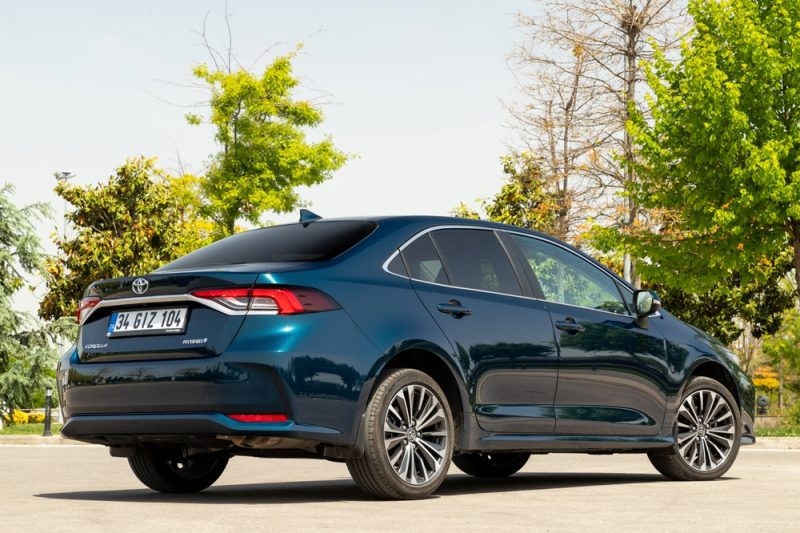
To understand how these vehicles differ, look at how each generates power on the road. Conventional gas models rely entirely on an internal combustion engine paired with a multi-speed automatic transmission. Electrified hybrid options combine a high-efficiency gasoline engine with electric motor generators and a battery pack, seamlessly switching between power sources based on speed and load demands.
When evaluating Toyota hybrid vs. gas mileage, the hybrid setup clearly dominates urban driving environments. In heavy city gridlock, electric motors handle light acceleration and coasting without consuming fuel.
Drivers who track their fill-ups consistently report impressive real-world savings. Standard gas sedans often average around 36 miles per gallon combined, while their hybrid counterparts frequently exceed 48 miles per gallon. This remarkable increase in Toyota hybrid fuel economy cuts fuel station visits nearly in half for active commuters.
Must Try: Exploring the Evolution of Toyota's Hybrid Technology
Evaluating the true financial impact requires looking beyond the window sticker price. While non-hybrid variants feature a lower initial purchase price, calculating your long-term Toyota hybrid cost vs. gas comparison reveals significant savings over a multi-year window.
| Ownership Factor | Traditional Gas Model | Electrified Hybrid Model | Long-Term Cost Advantage |
| Upfront Purchase Price | Lower starting MSRP | $1,500 to $2,800 price premium | Lower upfront investment for gas models |
| City Driving MPG | Moderate efficiency | Exceptional efficiency | Significant fuel savings with a hybrid setup |
| Brake Wear Frequency | Standard pad replacement cycles | Extended life via regenerative braking | Reduced mechanical friction wear on hybrids |
| Maintenance Mechanics | Starter, alternator, drive belts | Electric motors eliminate the starter/alternator | Fewer wearable mechanical accessories in hybrids |
| Resale Value | Standard depreciation curve | Strong market resale demand | Higher retained value for hybrid options |
Standard gas models appeal strongly to buyers seeking the lowest possible monthly payment. Depending on the specific trim level, choosing a hybrid option adds a modest price premium upfront. Most high-mileage drivers recover this additional investment within two to four years through steady savings at the pump.
A common myth among car shoppers is that complex electric drivetrains lead to higher repair bills. In reality, routine service demands for both options remain remarkably straightforward and affordable over the life of the vehicle.
Understanding long-term Toyota hybrid maintenance begins with looking at what is missing under the hood. Hybrids do not use traditional starter motors, alternators, or accessory drive belts that wear out over time. Furthermore, regenerative braking systems slow the vehicle using electric resistance, drastically reducing physical wear on brake pads and rotors.
Beyond financial savings, Toyota hybrid benefits extend to everyday driving comfort.
Traditional options still hold distinct advantages for specific lifestyles.
Try This: Toyota's Hybrid Options for the Eco-Friendly Families
Choosing between these two impressive engineering approaches ultimately depends on your daily driving patterns, long-term ownership goals, and initial purchasing budget. Gas-powered choices offer a proven, affordable entry point with simple mechanics and lower upfront payments.
Hybrid alternatives deliver smooth acceleration, long-term brake savings, and unmatched fuel efficiency that easily offsets initial purchase costs over time. By evaluating how many miles you cover annually, you can choose a powertrain that supports your personal lifestyle seamlessly.
Ready to elevate your daily commute and explore custom upgrades for your next adventure vehicle? Connect with passionate automotive experts who share your drive for performance, reliability, and capability on every journey!
Modern hybrid battery packs are engineered to last the full operating life of the vehicle. Most factory battery systems comfortably exceed 150,000 to 200,000 miles without experiencing significant capacity degradation when routine cooling air filter maintenance is performed regularly.
Hybrid vehicles use standard high-grade synthetic engine oil that matches manufacturer viscosity specifications. Because the internal combustion engine cycles on and off frequently during city operation, using high-quality synthetic lubricants ensures optimal protection during cold engine restarts.
Yes, many hybrid SUVs feature impressive towing capacities that rival standard gasoline models. Dual electric motor configurations deliver instant low-end torque, providing smooth acceleration and steady pulling power when towing recreation trailers or lightweight utility loads.
Cold temperatures temporarily reduce battery efficiency and force the gasoline engine to run longer to heat the passenger cabin. While fuel economy drops slightly during winter months, the vehicle continues operating reliably without requiring manual intervention or auxiliary charging steps.
Regenerative braking feels smooth and predictable, though the pedal response may feel slightly firmer than a conventional setup. Drivers quickly adjust to the smooth deceleration, which captures kinetic energy to recharge the battery while greatly extending brake pad life.


