

Author: Suman Pathak
2026 Toyota Prius vs. 2026 Toyota Prius Prime: What's right for you? Both the 2026 Toyota Prius and the 2026 Toyota Prius Prime aim to save you fuel. The two vehicles operate with a dual electric and gas powertrain, with the goal of the traditional Prius being to simply drive without charging or getting a jump start on your day, and the Prime is a more capable plug-in model.
What differentiates the two models is when you get to road test them. Each vehicle operates with an electric motor and gas engine, but one is geared more towards a certain driver. Let's explore Toyota Prius vs Prius Prime in detail.
The Toyota Prius Powertrain: The 2026 model relies on the identical 2-liter engine, paired with the electric motor and auto CVT, and this seems to be our major decider when we look at the Toyota Prius vs Prius Prime. The system works to combine electric and gas power for both smoothness and maximum fuel efficiency.
One advantage of the standard Prius is its hassle-free nature. Its hybrid battery is charged by means of the car and by regenerative braking; you won't be looking for an outlet any time soon.
Although it will use a 2.0-liter motor as the base for its hybrid system, the Prius Prime is distinct because of a larger battery pack and its ability to be charged. This enables the Prime to travel for a calculated 39 miles solely on its electric power in optimal conditions.
The larger battery will make the Prime much more desirable to individuals who are able to install at-home charging or routinely make shorter trips during their commutes.
Learn Further: 2024 Toyota Sequoia vs. Chevrolet Tahoe: An SUV Faceoff
While both models will have exceptional gas mileage, the driving experiences vary greatly depending on your normal pattern of operation.
The standard Prius comes with a lightweight and nimble body that is perfect for driving in the city as well as for the daily commute. Its electric motor assist offers instant and smooth acceleration when you want to get going from a standstill. Electric motor power is automatically combined with that from its gas motor to ensure the most efficient driving experience possible.
A strong benefit the standard Prius offers that its hybrid counterpart does not is the elimination of the need to schedule charges, even on longer trips.
The driving feel when the Prime operates on its electric motor assistance is much zippier and quieter; in daily driving conditions, the experience is exceptionally smooth. However, the larger battery pack gives it a touch more heft than the standard model.
This car is a no-brainer for those who will routinely find an outlet; gasoline consumption will drop for everyday trips in the country as long as the vehicle is plugged in overnight.
Both cars sport upscale interior design, yet the Prius Prime presents slightly more available luxury features.
Inside the 2026 Prius, drivers will find themselves in a straightforward cockpit; the focus is on function rather than pampering, an objective met quite well.
It features everything you would expect from a modern vehicle as far as convenience is concerned, such as a large infotainment touchscreen and Apple CarPlay and Android Auto connectivity.
In terms of the interior, the Prius Prime will boast certain features you won't find in the regular Prius: an upgraded infotainment system, wireless smartphone charging, a premium stereo system, heated front seating, and air-conditioned front seating.
On the downside, it will have fewer cubic feet of cargo room available when compared to the regular model because of the increased battery capacity.
Both vehicles are a distinct and modern evolution of the Prius, but the Prime offers sportier elements.
With sharp lines, the 2026 Toyota Prius is an aerodynamically optimized sedan.
The slightly sportier look of the Prime comes from its unique exterior details; its modern feel stands out from any older-generation Prius on the road.
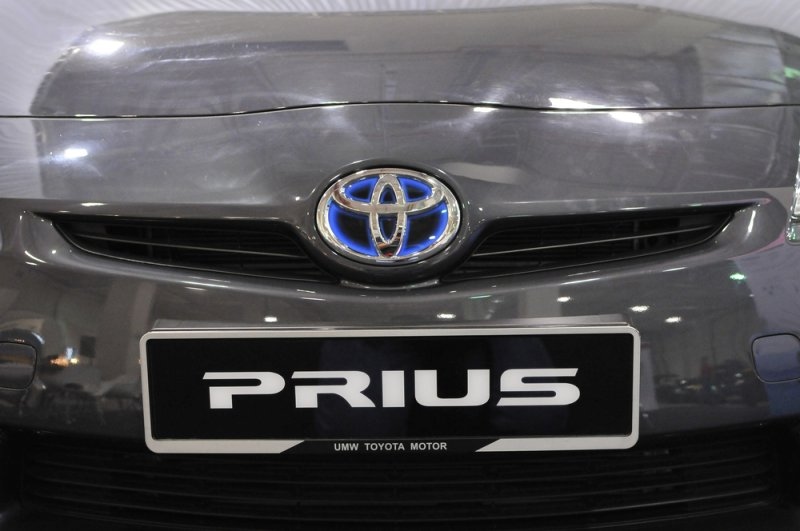
Which of these two vehicles makes more sense depends mainly upon whether you'll be able to have frequent access to the power that is required by plug-in vehicles.
Purchase the Toyota Prius if you:
Purchase the Prius Prime if you:
Suggested Blog: Hybrid vs Electric Cars: Which One is Right for You?
While the standard 2026 Toyota Prius offers a simple solution for those who want good fuel economy and do not plan to ever charge their vehicle, the 2026 Toyota Prius Prime should not be overlooked for those with convenient access to charging.
Which model makes the most sense depends entirely upon what sort of driving that you do daily, how often you have a car readily available to charge, what level of technology will suit your tastes, and whether cargo room or cargo capacity will factor into your purchasing decision.
The choice depends on your driving style. The Prius Prime is better suited for people with regular access to charging who want to use electricity only for shorter trips. The standard Prius better fits anyone who doesn't have convenient access to charging.
The 2026 Prius Prime features an estimated 39-mile range of electric-only operation and will naturally fluctuate depending on temperatures, speeds, and driving styles.
Enjoy greater passenger comforts and available tech in the 2026 Prius Prime - heated and ventilated seats and a Wireless charging pad, along with an improved audio experience and more depending on trims.
When compared to the Prius Prime, the standard Prius model offers a larger cargo area. The smaller battery pack of the standard model comes with extra space in the back that is filled by the Prius Prime's bigger battery pack.
Select the standard Prius for a comfortable and worry-free hybrid vehicle that requires zero plug-ins. Purchase the Prius Prime if you often charge at home or work and seek efficient electric power for short commutes and errand running.


