

Author: Tiyasha Saha
If you're stuck between the Toyota 4Runner and the Nissan Pathfinder, you're really choosing between two totally different personalities. The 4Runner leans hard into its off-road chops and reputation for lasting forever. The Pathfinder is more about comfort, family practicality, and having the latest tech.
When you get down to the specs-right from Toyota and Nissan-it's true: Both SUVs can tow a lot, both offer optional four-wheel drive, and you can load up either one with seven or eight seats depending on how you set them up. But where each one really shines depends on what you want out of an SUV.
This comparison gives you the rundown on what matters-performance, interior comfort, towing strength, gas mileage, and whether either one is actually worth it in the long term. If you're still wondering whether the 4Runner or Pathfinder fits you best, this is the real-world breakdown of the SUV buying guide.
Well, the 4Runner is famous for being tough and off-road-ready-campers and outdoorsy types love it. If you are wondering which is better, the Toyota 4Runner or the Nissan Pathfinder? The Pathfinder attracts buyers who prefer a smooth ride, a plush cabin, and more built-in safety features. For many families, it's not just about the features; it's about what feels right for how you live, and midsize SUV comparisons.
Try This: Best Toyota 4Runner Accessories for Daily Use and Trails
When it comes to the Toyota 4Runner review and the Nissan Pathfinder review, here is an easy table to consider:
| Feature | Toyota 4Runner | Nissan Pathfinder |
| Platform | Body-on-frame | Unibody |
| Seating | 5-7 passengers | Up to 8 passengers |
| Engine | 2.4L turbocharged | 3.5L V6 |
| Towing Capacity | Up to 6,000 lbs | Up to 6,000 lbs |
| Best For | Off-road driving | Family and highway use |
You can already see that these SUVs attract very different fans.
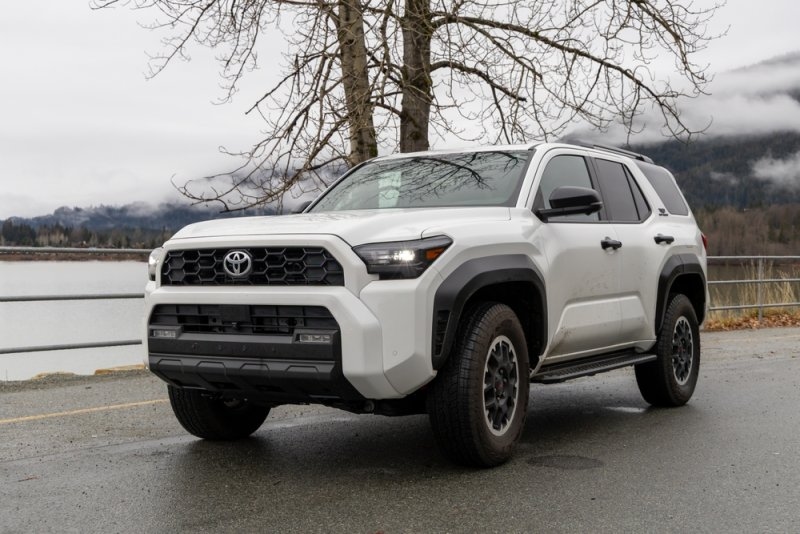
Here is a clear performance description of the Toyota 4Runner vs. Nissan Pathfinder below:
The 4Runner runs a turbocharged four-cylinder engine, making it gutsy-especially down low-so towing, climbing hills, and bumping over rough trails are all easy for it. It's got legit off-road gear: think skid plates, real ground clearance, and tech that helps you pick your way through nasty terrain.
Pathfinder's 3.5 V6 gives it a smoother, more civilized drive. Thanks to its car-like build, it feels nimble in town and is generally quieter on paved roads. If you rarely leave the pavement, you'll notice the difference.
So the 4Runner feels unstoppable in rough stuff, while the Pathfinder is more at home gliding down the highway.
This is where the two really diverge in respect to Toyota 4Runner vs Nissan Pathfinder comparison:
Inside is all about function-tough materials, easy-to-clean everything, big windows, and straightforward controls. Honestly, it's not fancy, but it's built to take abuse. Third-row space exists but isn't ideal for adults.
On the other hand, feels more like a modern family lounge. Softer surfaces, bigger screens, available captain's chairs, and way easier access to the third row. For long road trips, the Pathfinder's interior is just more comfortable, especially for bigger groups.
Towing in both SUVs can haul up to about 6,000 pounds if you get them set up right-think mid-size campers, boats, or small trailers. The numbers are close, but how they tow feels different.
Here is the detailed fuel economy of the two giant cars:
Let's not sugarcoat it-the 4Runner drinks more gas. Blame the heavy body-on-frame setup and its focus on ruggedness. It's just not built for efficiency.
The Pathfinder's lighter and more streamlined, so you'll end up stopping for gas less often, especially if you rack up a lot of highway miles.
Essential Needs: 2024 Nissan Rogue vs. Toyota RAV4: Ultimate SUV Showdown
A lot of people trade their sedans for SUVs and figure "bigger is better." Really, you should ask yourself:
If you're buying this for the family, here's the short version before the family SUV comparison:
So, if your everyday life involves school drop-offs, road trips, or errands, the Pathfinder just handles those tasks with less hassle.
Buying a car is a personal choice and requires careful evaluation. Here is how you should confirm.
If you're looking for adventure, you want the 4Runner. If most of your life is carpooling, commuting, road trips, and city driving, the Pathfinder's a smarter pick.
There's no single "winner" here. These two go after totally different buyers. The 4Runner's unbeatable if you need durability and off-road muscle. Pathfinder's got the comfort, space, and modern features dialed in.
Your best bet is to look at how you really drive, what you need to haul, how often you'll tow, and where you'll actually take your SUV. Try them out, talk to real owners, and see which one fits your life.
Toyota's reputation for reliability is well-earned, and the 4Runner, with its simpler mechanical setup, usually holds up better over time. The Pathfinder's reliability has improved, but if you plan to keep an SUV for years, the 4Runner's rugged build probably brings more long-term peace of mind.
The 4Runner, hands down. Demand is high with off-road SUV comparison fans, and it's just known for lasting. The Pathfinder loses value faster, though you might get more features for your money upfront. It's worth doing the math, especially if you expect to sell after a few years.
Absolutely. It feels lighter, corners easily, and is less truck-like when you're parking or weaving through traffic. The 4Runner's bigger and will feel that way in tight city streets-some people like that, but it's a bit more work every day.


